How to create a reusable grocery list for your household
· Editorial team newsfromnewyork24.com
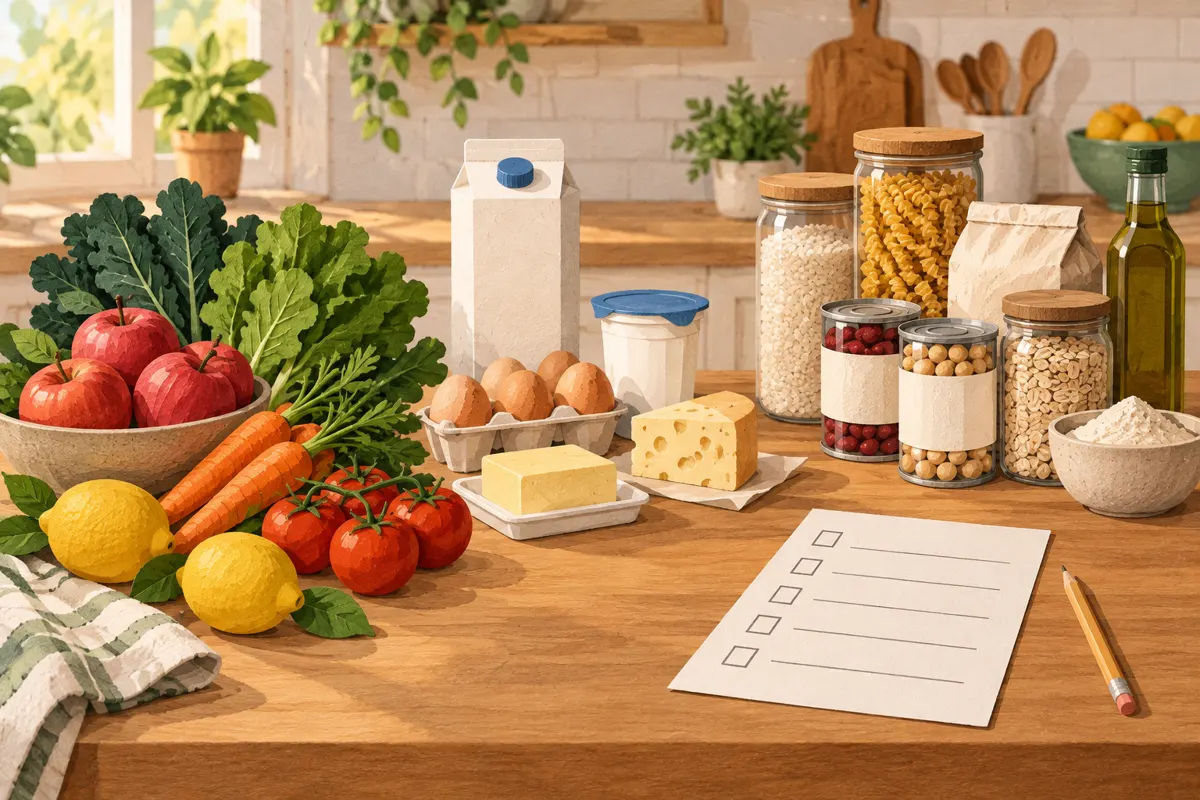
Create a reusable grocery list by saving the items your household regularly buys, grouping them by store section, and marking only what you need for each trip. Before shopping, check the pantry, refrigerator, and freezer, then add missing ingredients for the week’s meals. Keep the master list for future use and clear only the shopping marks after each trip.
Start with what your household actually uses
Your master list should reflect your household’s habits. Start with foods you regularly use for breakfast, lunch, dinner, and snacks. Include household supplies if you buy them during the same trip. Leave occasional recipe ingredients in a separate space so they do not clutter the permanent list.
Suggested starting method: look through your cupboards and recent shopping lists, then write down repeat purchases. Be specific where it matters: “plain yogurt” is clearer than “yogurt” if another person might do the shopping. Add dietary requirements, preferred package sizes, or acceptable substitutions only when those details affect the purchase.
- Breakfast: oats, eggs, bread, or your usual cereal.
- Lunch: sandwich ingredients, fruit, or foods for packed lunches.
- Dinner: familiar grains, proteins, vegetables, and sauces.
- Other essentials: snacks, coffee, dish soap, or toilet paper.
Group the list by store section
Suggested layout: arrange categories in roughly the order you encounter them in your usual store. The exact order can change; the useful part is keeping similar items together so you can check one section at a time.
- Produce: fruit, vegetables, and fresh herbs.
- Bread and bakery: bread, rolls, and tortillas.
- Refrigerated foods: milk, yogurt, cheese, and eggs.
- Meat, seafood, and other proteins: the options your household uses.
- Pantry: rice, pasta, canned foods, oil, and seasonings.
- Frozen foods: vegetables, fruit, and other freezer staples.
- Household supplies: cleaning products and paper goods.
Leave blank lines in each category for temporary additions. If you shop at multiple stores, add a short store note beside an item rather than maintaining several complete master lists.
Check your kitchen before marking items
A permanent entry means “we use this,” not “buy this every time.” Keep the item name separate from its buy mark. That distinction makes the list reusable without turning every shopping trip into an automatic restock.
- Check the refrigerator for foods you want to use in upcoming meals.
- Check the pantry and freezer for ingredients you already have.
- Compare what remains with what you expect to use before the next trip.
- Mark the items you need and write the quantity to buy.
Use practical quantities such as “6 apples,” “1 carton,” or “2 cans.” For staples, choose your own restock point: for example, mark rice when the amount left will not cover your planned meals. You do not need to count every item in the kitchen.
Add ingredients for the week’s meals
Keep a small meal-planning space beside the master list. Write down the meals you expect to prepare, allowing for leftovers and meals away from home. Check their ingredients against your kitchen supplies, then add only what is missing.
Look for ingredients that can serve more than one meal. The supplied meal-planning example uses chicken, peppers, salsa, and cheese across different dinners. You can apply that approach to your own menu without repeating the same dish.
Combine overlapping needs into one entry. If two recipes require onions, list the total quantity once under produce. Put unusual ingredients in the blank lines, then remove them after the trip unless they become regular purchases.
Choose a format everyone can maintain
Use a format your household will reliably check. A shared phone note lets people add items as they notice shortages. A paper master list can stay on the refrigerator, with needed items circled; the supplied reusable-list example describes this approach.
Suggested household routine: agree on one place for additions, review quantities before leaving, and mark purchases as they go into the cart. After shopping, clear completed marks while keeping the permanent entries. Leave unavailable items marked only if you still need them.
As habits change, remove foods you no longer buy and add new regular purchases. Keep the list short enough to scan easily. Its purpose is to help your household prepare the next shopping trip without rebuilding the list from scratch.