How to set up a build-your-own dinner for different family tastes
· Editorial team newsfromnewyork24.com
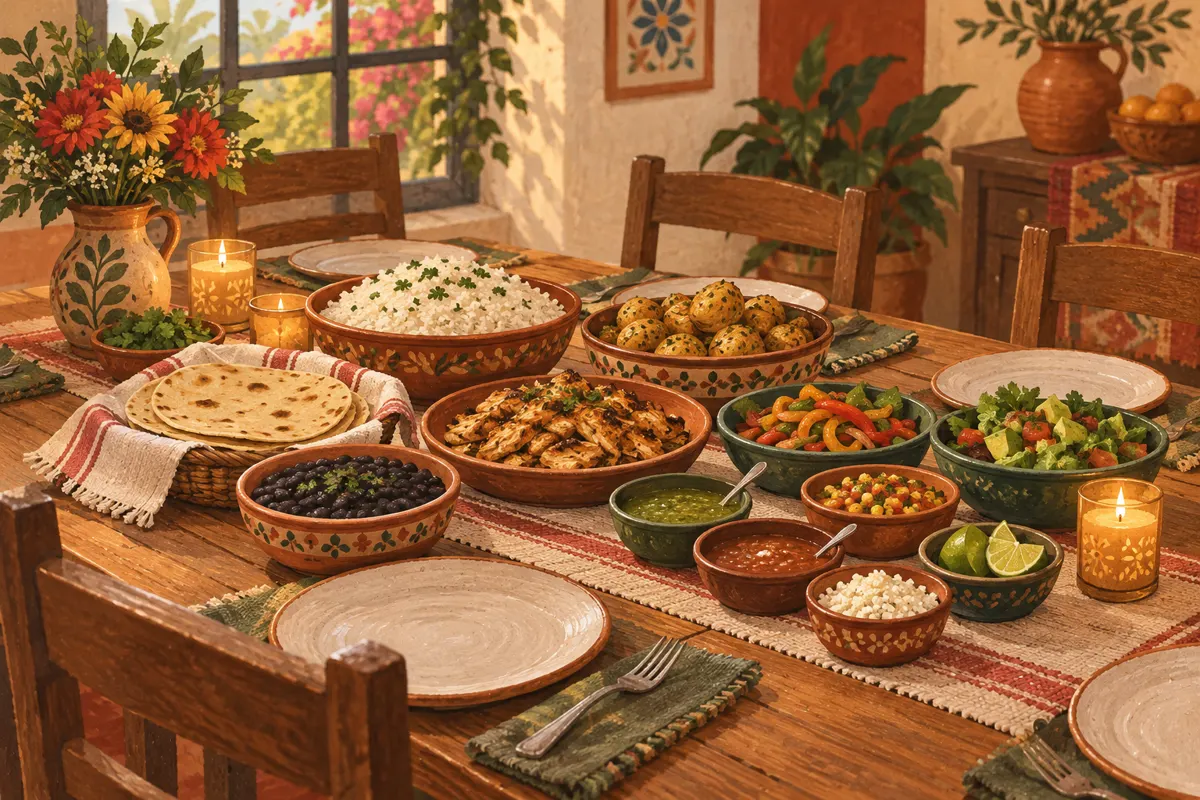
Set up a build-your-own dinner by serving one shared base, a protein, vegetables and toppings in separate dishes. Each person can choose a combination without needing a different meal cooked from scratch. Rice bowls, wraps and baked potatoes all suit this approach: keep the main ingredients simple, then offer stronger flavors and sauces at the table.
Start with one base and a short list of choices
The useful part of a build-your-own meal is separating ingredients that people enjoy differently. Someone might want chicken and rice with nothing mixed in; someone else might add beans, vegetables and sauce. The supplied dinner ideas use this principle for tacos, bowls, sandwiches and other meals.
Our editorial proposal is to start with one base, one main protein and a few additions. A second protein makes sense when it meets a specific need, such as beans alongside chicken. You do not need several varieties of every ingredient.
- Base: choose rice, tortillas or baked potatoes.
- Protein: choose beans, lentils, cooked chicken or another family favorite.
- Vegetables: offer two options, such as cucumber and cooked broccoli.
- Finishing touches: choose a sauce and one topping, such as grated cheese or chopped herbs.
Prepare the components in a practical order
Decide what needs cooking before you start chopping toppings. Potatoes may determine when dinner is ready, while rice and a cooked protein need their own preparation time. Avoid choosing a format that requires cooking each person's finished meal separately if your aim is an easy shared dinner.
- Start the base and any protein that needs cooking.
- Wash and prepare the vegetables, keeping each option separate.
- Put sauces and toppings into small serving dishes.
- Set out plates or bowls and a serving utensil for each component.
- Bring the cooked ingredients to the table when everyone is ready to eat.
Keep strong seasoning optional where practical. For example, serve a mild filling with hot sauce alongside it. If someone needs to avoid an ingredient, plan that person's portion and utensils before arranging the shared spread; separate bowls alone should not be treated as a guarantee against cross-contact.
Build rice bowls with separate toppings
Rice bowls are a useful starting point because everyone can assemble dinner in one dish. The source suggests bowl ingredients including cucumber, avocado, carrots, cooked chicken and sauces. Choose a small selection that your household already uses.
Editorial proposal: serve rice with cooked chicken or beans, cucumber, grated carrot and a sauce on the side. One person can keep the ingredients in separate piles, while another can mix everything together. Put herbs or other distinctive toppings in their own dish so they remain optional.
Use wraps when everyone wants a different filling
The source's taco and sandwich ideas offer a straightforward model: arrange fillings separately and let each person assemble their meal. Beans, cooked meat, lettuce, tomatoes, cheese and sauces are among its suggested options.
Editorial proposal: set out tortillas, a mild bean or chicken filling, shredded lettuce, chopped tomatoes, grated cheese and salsa. Place the tortillas first, followed by the filling, vegetables and sauces. This gives everyone a clear order for assembly.
Begin with a modest amount of filling so the wrap is manageable. Someone who finds wrapping awkward can eat the same components from a plate, with the tortilla alongside. There is no need to prepare another dinner.
Try baked potatoes and keep the routine manageable
Editorial proposal: use baked potatoes as the shared base, with beans, cooked broccoli, grated cheese and plain yogurt served separately. An adult can open hot potatoes for younger children before they choose toppings. Keep the toppings within easy reach and pass hot serving dishes carefully.
For future dinners, repeat a familiar format and change only one or two components. Rice bowls might use chicken one time and beans the next. Wraps can share vegetables and toppings with the previous meal. Before shopping, check what you already have and choose additions that also fit another planned meal.
Set out small amounts of toppings initially and replenish them as needed. After dinner, note which choices people used and which stayed untouched. That simple observation can help you make the next spread easier to prepare.