What to pack for cooking in a vacation rental with a tiny kitchen
· Editorial team newsfromnewyork24.com
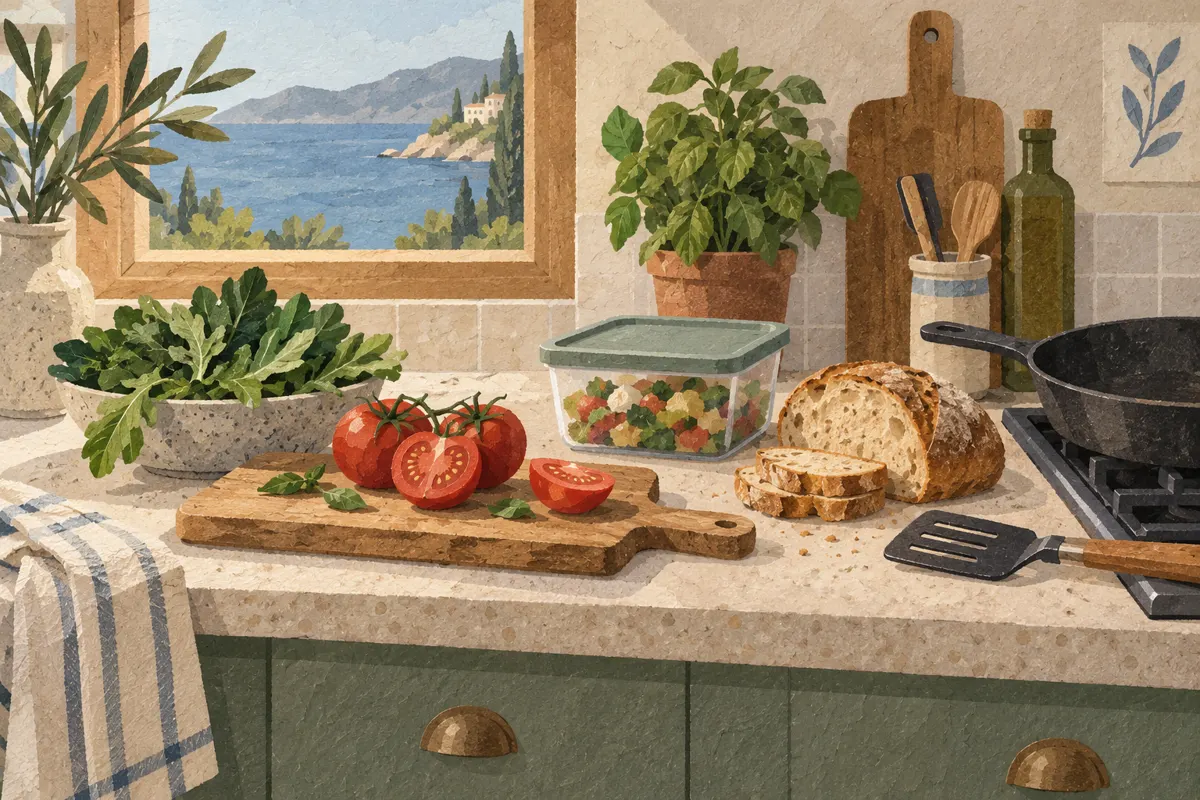
Pack a small cutting board, one useful cooking utensil, a lidded food container, and the seasonings your meals need. Add other tools only after checking what the rental provides. For a tiny kitchen, a short menu built around shared ingredients is more useful than a suitcase full of cookware.
Ask the host what is actually in the kitchen
Kitchen equipment varies between rentals, so ask specific questions before choosing meals. A listing that mentions a kitchenette leaves plenty unresolved: you still need to know whether you can boil pasta, fry eggs, or keep groceries refrigerated.
- Which cooking appliances are available: burners, oven, microwave, or kettle?
- Is there a saucepan and a skillet? Do they have lids?
- Are a cutting board, usable knife, can opener, and cooking spoon provided?
- How much refrigerator space is available, and is there a freezer compartment?
- What coffee equipment is provided, and which filters or pods does it use?
- Are dish soap, a sponge, kitchen towels, and trash bags supplied?
Ask for a cupboard photo if the answer is vague. Then choose meals around the confirmed equipment. If there is one burner, plan dishes you can cook sequentially rather than juggling two hot pans.
Pack a compact kit with a job for every item
Cooking guides commonly recommend familiar cutting tools, storage containers, seasonings, and versatile cookware. The following editorial packing proposal narrows that approach for travelers with limited luggage. Leave out anything the host has confirmed is available.
- One small cutting board that fits your bag.
- One spatula or cooking spoon suited to your planned meals.
- One nesting food container with a secure lid, plus a few storage bags.
- Small, clearly labeled portions of salt, pepper, and one seasoning blend.
- One kitchen towel, if none is supplied.
- A can opener only if your shopping plan includes cans without pull tabs.
- Coffee filters or a compact brewing device only if the provided setup will not work for you.
A familiar knife may be useful when your transport arrangements allow it; protect its blade securely. If flying, check the applicable baggage rules before packing sharp tools or liquids. Buy oil at your destination if carrying it would complicate the journey. Bring a pan only when a confirmed equipment gap justifies its bulk.
Plan three meals around one shopping basket
This editorial menu proposal uses tomatoes, tender greens, bread, eggs, canned white beans, and a little cheese across three meals. Add oil, salt, pepper, and your chosen seasoning. Adjust quantities to your group and appetite, and buy fresh ingredients after arrival.
- Breakfast: scramble eggs with a handful of greens in the skillet. Serve with bread and sliced tomatoes. Use a little cheese if you bought it.
- Lunch: combine drained white beans, chopped tomatoes, and greens in a bowl. Dress with oil and seasoning, then serve with bread. An optional lemon adds acidity without requiring a separate bottled dressing.
- Dinner: warm the remaining beans and tomatoes in the skillet, adding a splash of water if needed. Stir in greens until wilted and finish with cheese. Serve with the remaining bread.
The overlap leaves room for food-shop discoveries: substitute another tender green, a different bean, or a cheese you want to try. Each meal uses one cooking vessel or bowl, keeping preparation manageable when counter space is scarce.
Adapt meals when a utensil is missing
Forgiving meals make missing equipment easier to handle. Choose preparations that tolerate rough chopping, flexible seasoning, and fewer dishes.
- No whisk: beat eggs or mix dressing with a fork.
- No grater: crumble suitable cheese or cut it into small pieces.
- No mixing bowl: assemble a cold meal in a clean saucepan or your food container.
- No peeler: choose produce that can be washed and eaten with its skin.
- No colander: lift cooked pasta with a suitable slotted spoon, or choose bread instead.
- No usable knife or board: buy pre-cut ingredients and tear tender greens by hand.
Shop in small rounds and keep the counter clear
Check the kitchen before your main grocery trip. Buy enough for the planned meals, then replenish as needed rather than filling an unfamiliar refrigerator immediately. Leave space in the menu for a bakery purchase or another ingredient that catches your attention.
Prepare ingredients before heating the pan, return groceries to their storage places, and wash tools as you finish with them. Keep your travel kit together between meals. Before departure, check drawers and drying racks for your equipment, and follow the host’s instructions for remaining food and trash.